Imadero

Methodology — Revision 04-B, 2024

Documenting the Standard

A record of how the Imadero editorial team selects, reviews and archives formulation entries. Methodology version 04-B. Updated March 2024.

01 — Review Process

Five-stage formulation review

01

Initial Identification

Formulations enter the review pipeline through three channels: independent research by the editorial team, reader submissions, or identification via published nutritional literature. All three channels are assessed equally — manufacturer-initiated contact is declined.

The initial assessment determines whether the formulation has sufficient documentation available to proceed to the sourcing stage. Formulations with no accessible batch documentation are archived without further review.

02

Sourcing Documentation Review

Each active ingredient in the formulation is traced to its supplier of record. The team reviews the chain-of-custody documentation available for each ingredient, confirming origin, extraction method (where applicable), and the food-grade processing status of the supplier facility.

Sourcing assessments are recorded in the Imadero documentation archive. Where supplier documentation is incomplete or unavailable, the catalogue entry notes the gap explicitly rather than omitting it.

Reviewed

Origin Region

Reviewed

Extraction Method

Reviewed

Processing Standards

03

Composition Analysis

The active compound profile of each formulation is compared against current published nutritional reference values. The team does not conduct its own laboratory analysis — formulation assessment is based on certificates of analysis issued by independent third-party verification bodies retained by the manufacturer or distributor.

Where elemental or molecular concentration data is available (e.g., ICP-OES or HPLC analysis), it is recorded against the declared value on the product label to assess labelling accuracy.

04

Batch Verification

Batch-specific verification is the final gate in the review process. The editorial team requires a current certificate of analysis — issued no more than 18 months prior to catalogue publication — for the specific batch referenced in the entry.

Batch codes and certification dates are recorded in the archive. Entries are marked for re-verification at each quarterly review cycle.

Verification Type Accepted Source Max Age
Certificate of Analysis Independent third-party body 18 months
Elemental Analysis (ICP-OES) Accredited analytical laboratory 12 months
HPLC Chromatography Report Accredited analytical laboratory 12 months
Microbiological Screen Independent third-party body 18 months
05

Editorial Write-Up and Archive

Following completion of stages 01-04, the editorial team prepares the catalogue entry. The write-up follows a fixed structure: formulation identifier, key ingredients, sourcing region, active compound concentration (where available), and nutrient-role summary drawn from published research.

Completed entries are reviewed by a second editorial team member before publication. The archived version is retained with all supporting documentation for a minimum of five years.

02 — Supplier Standards

What the Imadero sourcing standard requires

Active ingredients are sourced from documented suppliers, with each batch accompanied by a certificate of composition. Sourcing prioritises suppliers whose facilities maintain food-grade processing standards consistent with international labelling accuracy requirements.

The team maintains a preferred supplier register — a rolling record of ingredient sources that have provided full documentation across at least three consecutive batch reviews. Preferred-supplier status does not imply commercial endorsement; it indicates a documented track record of compositional accuracy.

Suppliers are assessed against four criteria: chain-of-custody documentation completeness, food-grade processing status, labelling accuracy record (based on certificate-of-analysis deviation history), and responsiveness to documentation requests.

A

Chain-of-Custody Documentation

Full traceability from cultivation or extraction site to finished formulation. Country of origin and facility identifier recorded.

B

Food-Grade Processing Status

Supplier facilities operate under documented food-grade processing standards. Processing environment documentation reviewed at onboarding and re-assessed annually.

C

Labelling Accuracy Record

Historical deviation between declared active compound concentration and certificate-of-analysis result maintained for each supplier. Acceptable deviation: ±10% of declared value.

D

Documentation Responsiveness

Suppliers are assessed on turnaround time for documentation requests. Non-responsive suppliers are flagged in the archive and excluded from the preferred-supplier register.

03 — Research Standards

Published-research reference framework

Framework 01

Nutrient Reference Values

Nutrient-role descriptions in catalogue entries reference applicable nutrient reference values from published regulatory guidance — specifically the EFSA nutrient reference values for the European population and comparable Asian nutrition reference standards where available for Southeast Asian populations.

Framework 02

Peer-Reviewed Literature Only

Ingredient profiles in Imadero supplements are selected based on published nutritional research and undergo independent batch verification for quality and labelling accuracy. Anecdotal sources, brand-published white papers and influencer content are excluded from the reference framework.

Framework 03

Conservative Claim Standards

The catalogue does not extrapolate nutrient roles beyond what current published evidence supports. Where research is emerging or mixed, entries record this explicitly. Catalogue copy does not employ performance language in descriptions of nutrient function.

Editorial Disclosure

Imadero is an independent wellness resource focused on everyday nutrition and active lifestyle practices for men. The content is not affiliated with any governmental or institutional body.

We recommend speaking with a qualified wellness or nutrition professional before introducing any supplement to your daily routine, particularly if you have specific dietary requirements.

04 — Verification Infrastructure

How batch documentation is archived
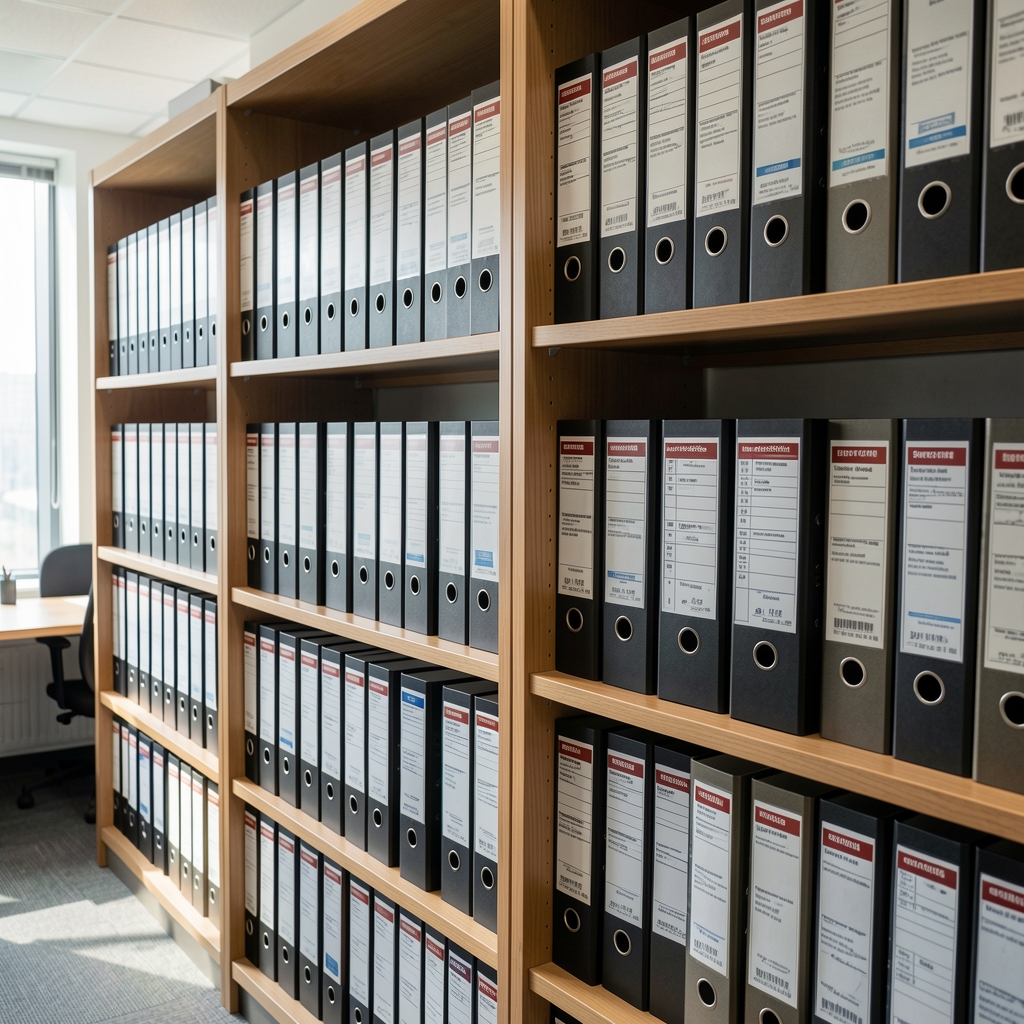
Rows of supplement batch documentation folders and certificate binders neatly stored on wooden archive shelving in a clean editorial office

Documentation archive — Imadero editorial office, Kuala Lumpur.

All batch documentation collected during the review process is held in a structured archive. Physical certificates of analysis are filed by formulation identifier and batch code. Digital copies are maintained in a redundant document management system.

The archive is cross-referenced with the catalogue. Each published entry links to a documentation reference — a batch code, certification date, and issuing body — allowing the editorial team to trace any entry back to its source documentation.

5yr

Minimum Archive Retention

Q/Yrly

Re-Verification Cycle

05 — Methodology Questions

Common questions about our review process